
Welcome to Team Building Conference
Team building creates stronger bonds among the members of a group. The individual members respect each other and their differences and share common goals and expectations. Join our conference to know more about building a strong team.


About Conference
For more than 20 years, we’ve been helping teams to enhance open communication and build team camaraderie. If you want to rekindle the bonds your team once shared, or you’re assembling a new virtual team for the post-pandemic world, we want to share our experience.

Events to engage, connect and inspire. In person or virtual.
Planning the perfect team building event for your own team has never been easier (or more fun). Learn more about effective methods for team building and activities you can use.
Conference Program
Team building activities. Which to choose?
Find out all from in-person events to online team activities (or a hybrid of the two)
Why your company needs team building?
Team building creates stronger bonds among the members of a group.
Team Management Skills
The team leader plays an essential role in managing his team well. Let’s find out how to develop these skills.
Steps to Building an Effective Team
The first rule of team building is an obvious one: to lead a team effectively, you must first establish your leadership with each team member. But how does it look like in practise?
Success Factors in Team Building
There are many factors that ensure a team’s success or failure. The quality of interaction between the team members is the most important aspect of the relationships between the team members and hence this affects the performance of the team.
Role of HR in Facilitating and Developing High-Performance Teams
As a key strategic function, HR can facilitate teams for High-Performance and achieving superior quality benchmarks at work.
Last Conference In Numbers
5550
Attendees
30+
Sponsors
20+
Speakers
10
Workshops

Why Team Building is so important?
There are many reasons why companies do team-building activities, and we are sure some of them pop into everyone’s mind when thinking about it. We usually group them into 3 main objectives:
Employee engagement
To increase employee engagement, by recreating and strengthening the link between employees, and engaging them with the company. In the end, it’s mostly about connecting people.
Group dynamics
To improve group dynamics, by building upon employees’ skills through games and activities. Shaking the daily routine up and setting up a playful environment helps to change the usual hierarchy, and people can connect with colleagues with whom they don’t usually interact.
Thank your team
To thank your team. Team building activities foster empathy and are a great way of doing something fun to celebrate and show appreciation to the employees. What’s nicer than laughing together with your colleagues?
Dream to build the perfect team?
Join our conference and learn all about how to build a strong team!

Meet Our Speakers
Discover who will join us on this global event

Helen J Frost
Creator of Opportunities

Salena Stephenson
Director of Development

Kathryn Mason
Operations Manager
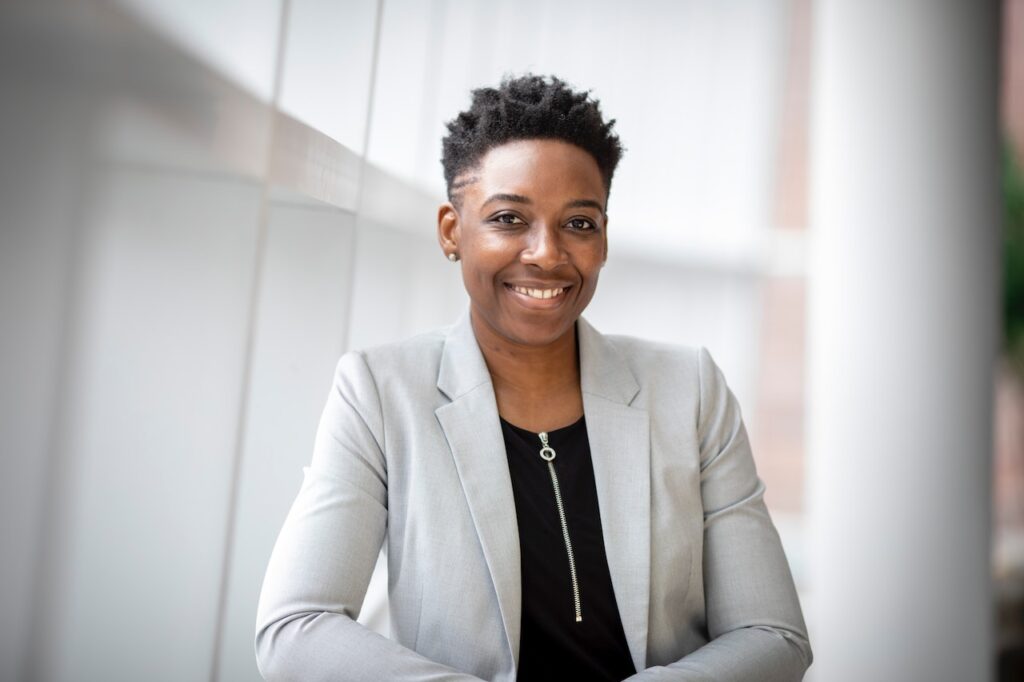
Angela C Nash
Lead Marketing Coordinator
Latest News
Lorem ipsum dolor sit amet elit aene commodo ligula ru eget eu dolor aenean dis
-
Top Effective Ways to Conduct Team Building
Working alone can bring forth good results, often resembling a solid plan, especially for people who prefer doing everything by themselves. However, working in teams makes achieving goals and objectives a quick process. Additionally, it helps in attaining better results. Team building entails creating a cohesive and productive group of people by developing communication, collaboration, […]
-
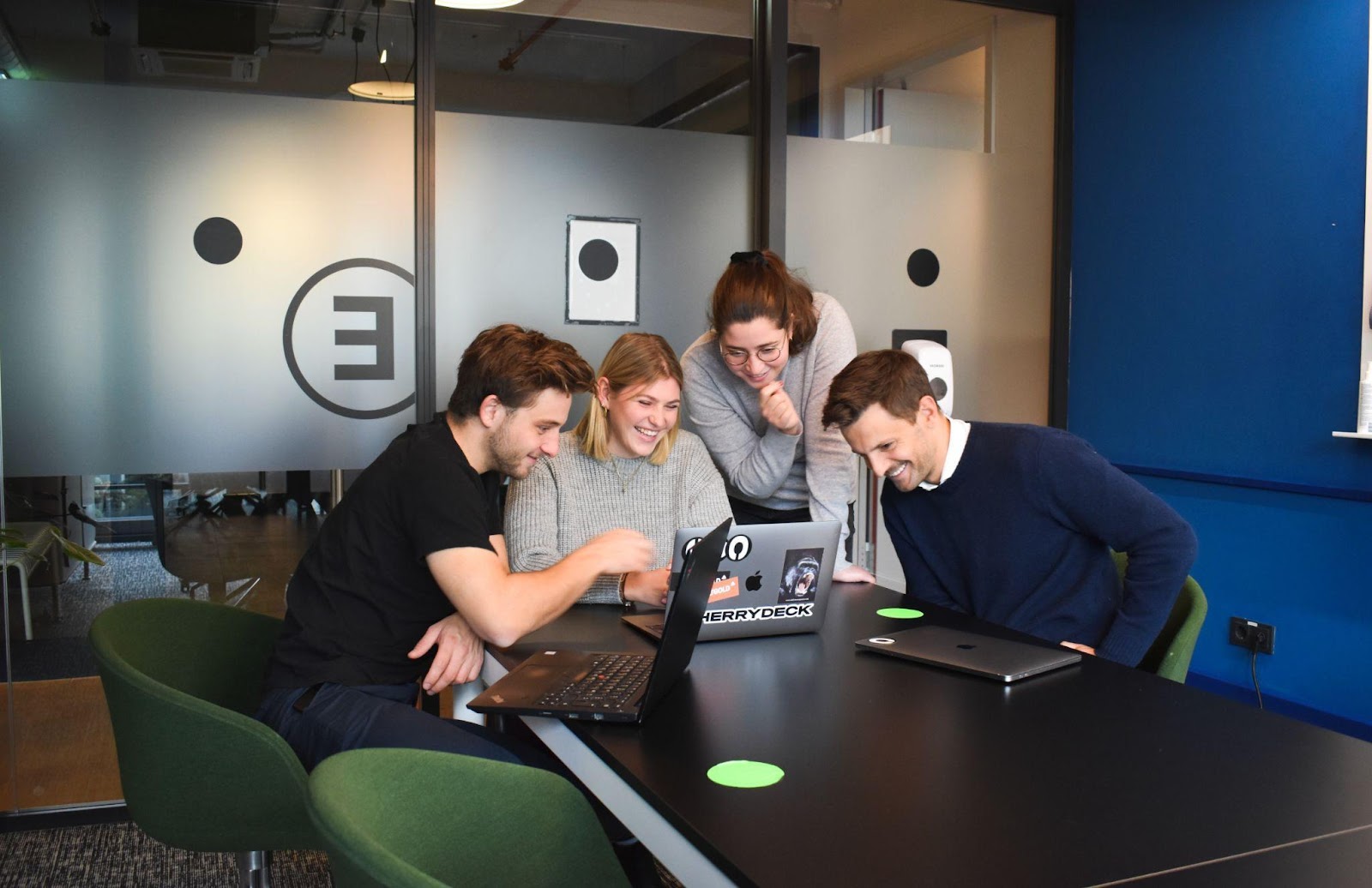
Innovative Online Team Building Approaches and Trends
In today’s world, effective team building is essential in developing a strong bond and unity among remote-based employees. With an increase in a decentralised workforce, it is safe to say that innovative online group development approaches have emerged, looking to shape how individuals connect and collaborate in the online space. This article discusses innovative virtual […]
-

Types of Team Building: Main Categories
You found our guide to the types of team building. Types of team building are different approaches to forming and managing groups. Specifically, the types of team building are: Communication team building Personality assessment team building Physical team building Problem solving team building Skills team building Values team building Team bonding Virtual team building Large group […]
As Seen On…

We help German students take their online exams. Just contact us.

Venturing into the realm of online casinos brings thrilling adventures and rewards. Sol Casino presents Australian players, also Indian, Canadian and New Zealand a rich choice of gaming options and exclusive bonuses, ensuring an unforgettable experience.

The website page presents the best casino bonus offers for Canucks. Selected casino bonuses are provided with links to casino websites to enjoy the most exciting no deposit bonus casino experience.

Get in touch with reputable dealers. Schedule a virtual appointment. Locally Best Deals at Shoppok online classifieds. Analysis of market prices. Dealer evaluations and Cost Alerts.

Still looking for new papersowl reviews? Here is all the needed data to help you make the decision on whether you should start using the service.

Parimatch – the best betting site , just choose your best and win
Accel-Team, a veteran in team building and development, partners with Aviator Game, a leading online betting game platform. This collaboration aims to blend Accel-Team’s expertise in enhancing team dynamics with Aviator Game’s engaging and dynamic gaming environment, offering a unique and interactive experience for users and teams looking to bond and improve their collaboration skills. This partnership marks a pioneering step towards integrating team-building activities with online gaming excitement

Find the UK’s no deposit free spins uk
And how to claim exclusive casino bonuses

Sign up for tips on crafting the perfect team
Less drama? Greater productivity and job satisfaction? Yes, you really can make an impact. Subscribe to our blog for useful tips, tricks and insights.
Contact Info
Copyright – 2022│Bond-Team